


Reflections on Anger: A Journey Through Thich Nhat Hanh’s Wisdom from Buddhism

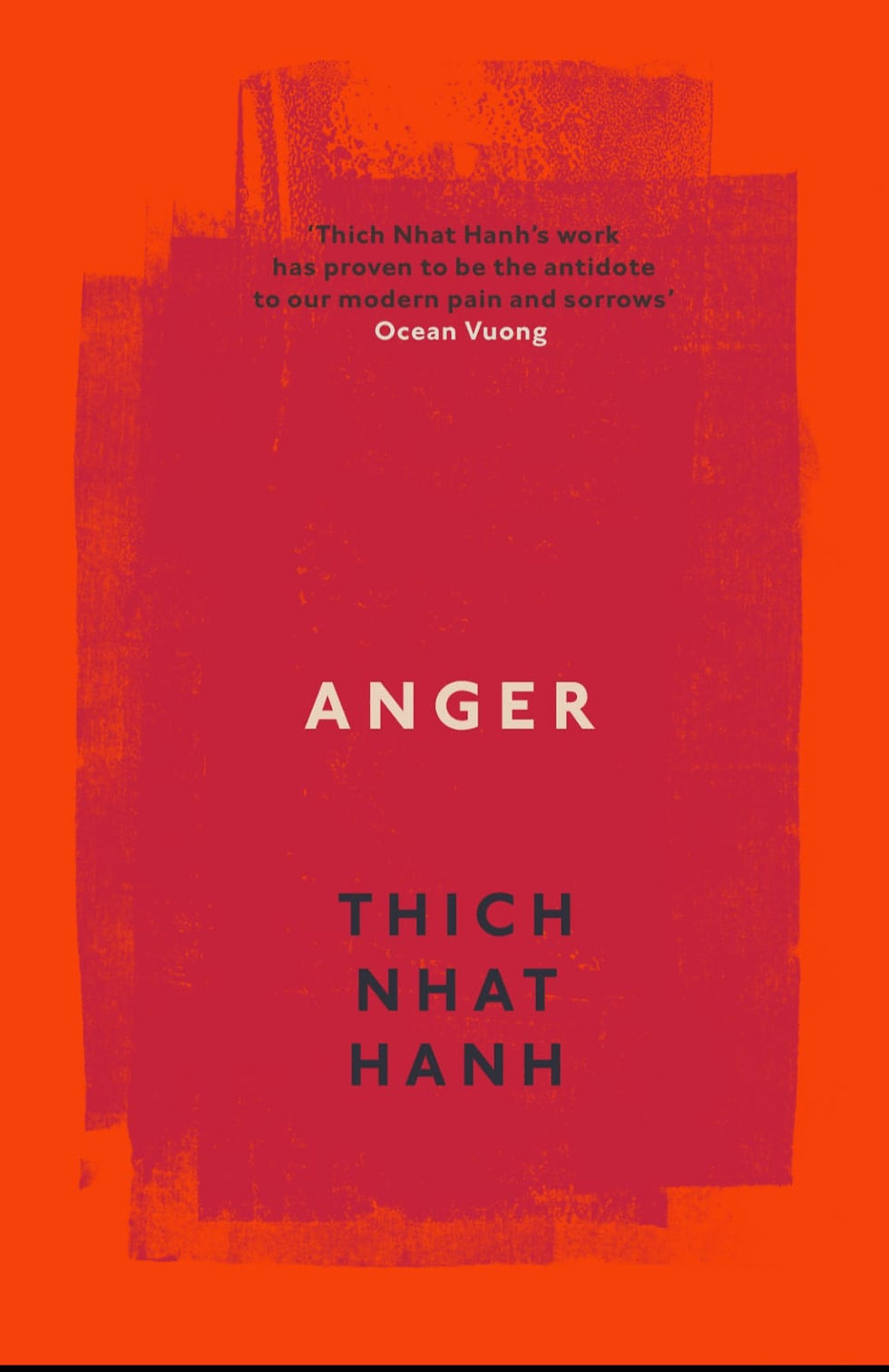
Some books enter our lives as objects of curiosity, while others arrive as companions at precisely the moment we need them. My encounter with Anger by Thich Nhat Hanh belonged to the latter category. I began searching for a book that could help me become calmer, less reactive and more at peace with myself. In that search, I discovered this work and what appeared at first to be a book about anger gradually revealed itself as a book about understanding, compassion and freedom.
Reading Anger is also to step into the life experience of its author. Thich Nhat Hanh was not merely a writer reflecting on human suffering from a distance. Since the age of sixteen, he devoted himself to the path of a Buddhist monk. He experienced war, exile, persecution and social upheaval, yet continued to advocate peace. Knowing something of this remarkable journey lends additional depth to his words. One senses that the lessons in the book emerged from lived experience rather than abstract philosophy.
One of the first ideas that stayed with me was the author's simple observation that happiness is not the absence of suffering. Rather, happiness becomes possible when we learn how to transform suffering. This insight gently challenges the modern tendency to search endlessly for fulfillment outside ourselves. We often imagine that peace will arrive through circumstances, achievements or possessions. Thich Nhat Hanh invites the reader to look inward instead. True contentment, he suggests, begins with understanding the pain already present within us.
Among the many passages in the book, one touched me more deeply than the others. Thich Nhat Hanh writes of the Buddha's monks and nuns, who owned almost nothing except three robes and a bowl, yet were profoundly happy because they possessed something far more valuable than material wealth: Freedom. This reflection lingered in my mind long after I closed the book. In a world that often measures success by acquisition, the author reminds us that inner freedom remains life's most precious treasure.
The most practical and transformative teaching in the book concerns listening. The author explains that angry speech is often the visible expression of hidden suffering. People who complain, blame or lash out may be carrying wounds that have never been understood. Instead of responding with irritation, he encourages us to listen with compassion. Compassionate listening, however, is not passive hearing. It is a discipline. It requires us to suspend judgment, release the desire to correct or argue and listen solely with the intention of reducing another person's suffering.
This teaching resonated with me because it shifts the focus from winning an argument to understanding a human being. Whether the person is a parent, a child, a spouse or a colleague, genuine listening becomes an act of healing. The book suggests that many conflicts survive not because people disagree but because they feel unseen and unheard. Through patient attention, anger slowly loosens its grip.
What makes Anger memorable is its quiet wisdom. The book does not offer dramatic solutions or grand promises. Instead, it returns repeatedly to awareness, breathing, compassion and understanding. Its message is both simple and demanding: before attempting to change others, we must begin with ourselves. Understanding another person requires understanding our own fears, expectations and wounds. Likewise, understanding ourselves deepens our ability to see others with kindness.
In the end, I finished this book with a sense of calm gratitude. Anger is not merely a guide to managing emotions; it is an invitation to live more consciously. Its central lesson, as I understood it, is that peace in the world begins with peace in the human heart. As mentioned in the book, understanding the other is understanding oneself and understanding oneself is the beginning of genuine compassion. Everything, as Thich Nhat Hanh gently reminds us, begins with us.
I am thankful to Google Playbooks for giving me the opportunity to read this remarkable book. On a scale of 10 stars, I would give this book a rating of 9.
Thank you for visiting Majumdar Book Reviews.
Disclaimer: These are my personal thoughts, impressions and reflections based on my reading of the book. Your interpretation, views and opinions may differ from mine and that is perfectly natural. Books often become meaningful precisely because they allow different readers to see the same story through different eyes. If you believe that any factual aspect of this article should be reconsidered or re-examined, please feel free to share your views. We are all human and we can all make mistakes.
Thank you for reading.
For more reviews and recommendations, please visit my Book Review and Recommendation website:
Writer:
Mr. Mainak Majumdar
Book Critic


Comments